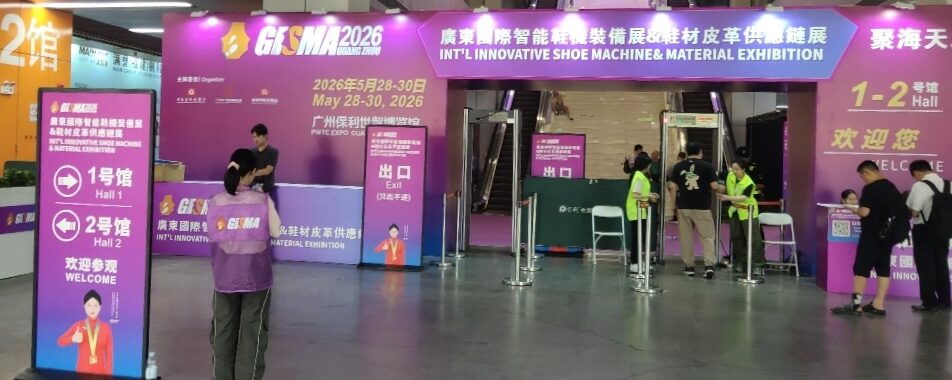
First Impression from GISMA 2026: How Can Footwear Manufacturing Automation Be Improved

GISMA Guangzhou 2026

Exhibiton Visit Hours:

PWTC EXPO,Guangzhou,China / Hall 1-2-4

28 May 2026(Thursday) Time: 9:00 – 17:00

29 May 2026(Firday) Time: 9:00 – 17:00

30 May 2026(Saturday) Time: 9:00 – 15:00

This week, we visited the GISMA 2026 footwear machinery exhibition for the first time.

Compared with the metal processing and industrial automation exhibitions we usually attend, one thing immediately caught our attention:

Despite the large number of machines on display, many footwear factories are still searching for more efficient automation solutions across different production stages.

In many production processes, operators are still required to manually position materials, transfer semi-finished products, adjust components, or perform repetitive handling operations.

Only a few specific processes seemed to achieve a higher level of automation.

Why is this happening?

One possible reason is the nature of footwear products themselves.
Compared with standardized industrial products, shoes involve:

  • highly flexible materials
  • complex shapes
  • frequent style changes
  • short product cycles
  • diverse manufacturing techniques

These characteristics make shoe factory automation far more challenging than in industries such as metalworking or electronics manufacturing.

At the same time, this observation may also indicate that footwear manufacturing automation still has enormous potential for future development, especially in flexible production and intelligent machinery integration.

Areas such as:

  • robotic assistance
  • visual positioning
  • flexible automation
  • material handling
  • intelligent inspection
  • integrated production systems

could become important directions for the next generation of footwear manufacturing technology.

For sourcing professionals and equipment manufacturers, this also creates interesting opportunities in the global footwear machinery market.

The footwear machinery and automation equipment we filmed on-site has been uploaded to YouTube. Feel free to watch and share your insights on How Can Footwear Manufacturing Automation Be Improved.

Stay tuned for upcoming content related to:

  • footwear machinery sourcing
  • shoe factory automation
  • footwear production equipment
  • manufacturing process optimization
  • industrial automation in footwear production

2026 Guangzhou Metal & Metallurgy Exhibition Insights | China Spring Making Equipment Sourcing

May 16-18, 2026

China Import and Export Fair Pazhou Complex, Area C

The 2026 China (Guangzhou) International Metal & Metallurgy Exhibition may not be the largest industrial exhibition in China, but it is undoubtedly one of the most focused events for professionals seeking specialized metal processing and automation solutions. (Welcome to watch the YouTube video.)

During our visit, we explored several highly practical technologies that reflect where China’s metal manufacturing sector is heading: greater automation, higher precision, and increasingly customized production capability.

One of the most impressive highlights was the laser cutting application for die-casting gate removal.

While laser technology is already widely adopted across industrial manufacturing, seeing its application in this highly specific niche was particularly interesting. It demonstrates how Chinese equipment manufacturers are moving beyond general-purpose systems and developing deeply specialized automation solutions for targeted production challenges.

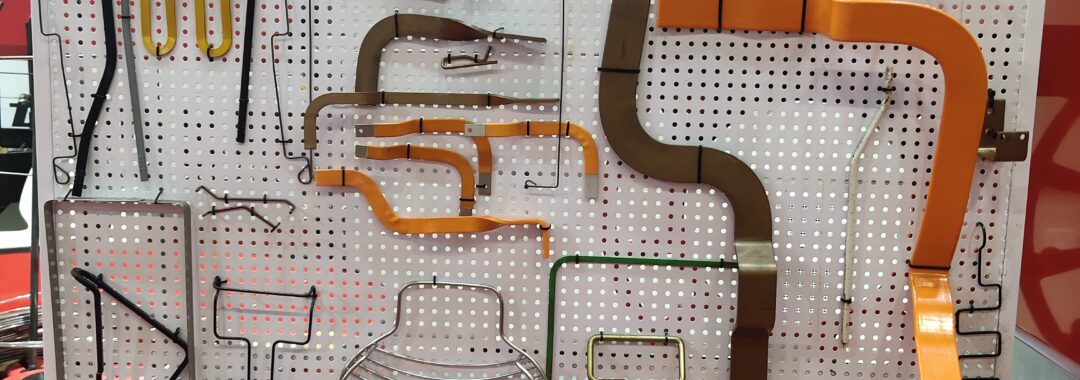
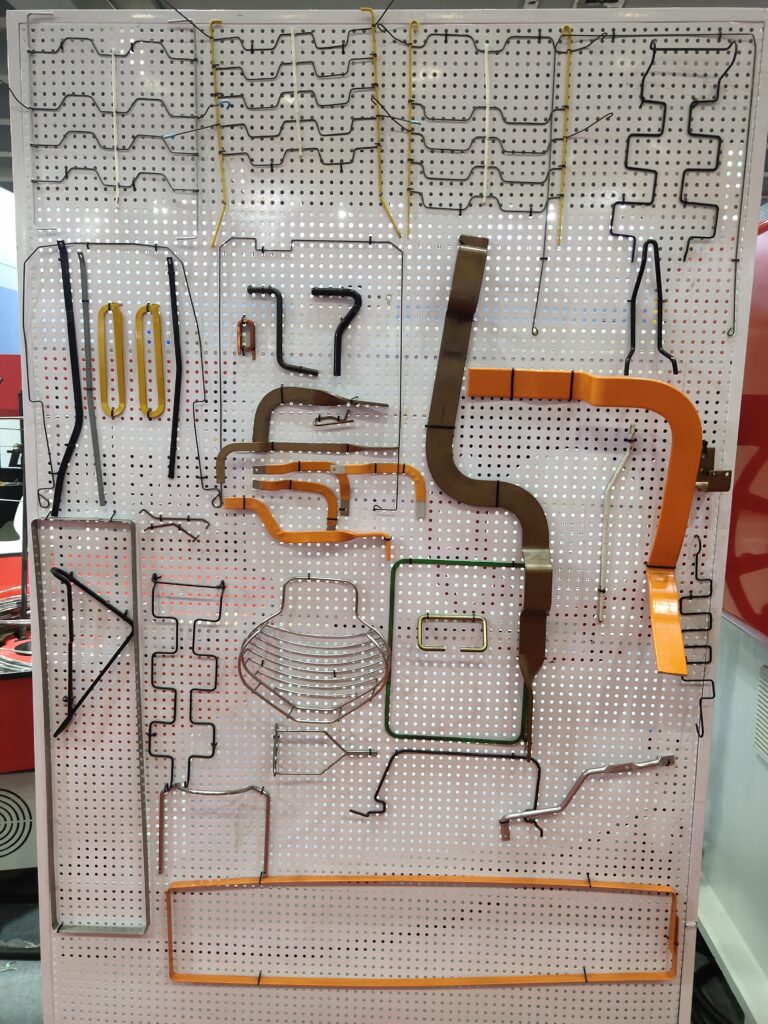
Another standout area was automated tube and wire forming equipment, including fully customized unmanned production lines designed for continuous manufacturing.

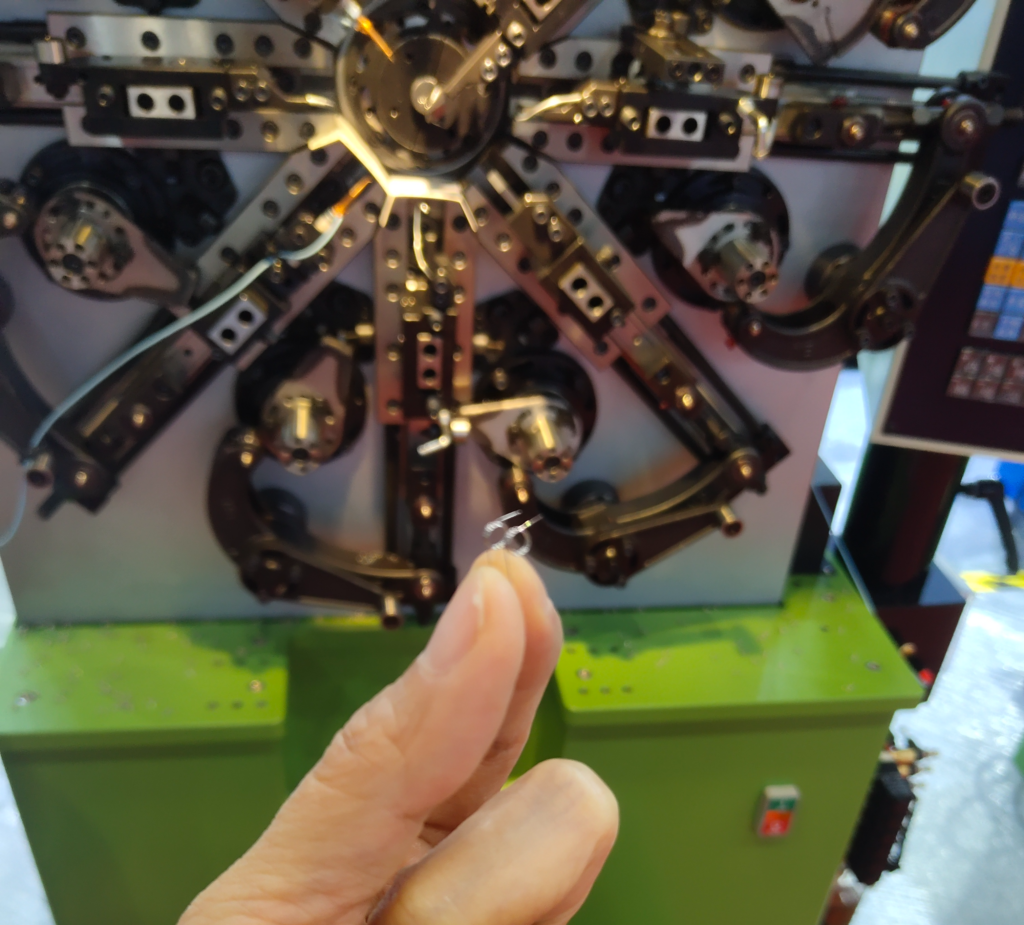
Among all categories, the spring manufacturing sector attracted the most attention, featuring a complete ecosystem of advanced production equipment such as:

  • Multi-functional CNC spring coiling machines
  • Automated wire feeding systems
  • Spring force and performance testing equipment
  • Intelligent spring sorting and inspection systems
  • Continuous tempering furnaces

What stood out most was not just individual machine capability, but the increasing maturity of integrated production-line solutions that enable manufacturers to reduce labor dependency while improving consistency and throughput.

For overseas buyers looking to source reliable suppliers in:

  • Spring making equipment (Spring Coiling Machinery, Spring Forming Machinery, Spring Grinders, Spring Testers…)
  • Wire forming equipment (2D/3D Wire Forming Machines, Tabletop Benders, Automated Wire Forming Machinery…)
  • Tube bending and forming solutions
  • Laser cutting equipment for Die casting applications
  • Custom automated production lines from China

This exhibition confirmed that China continues to expand its capability in high-value industrial automation manufacturing.

If your business is currently evaluating suppliers in these sectors, we’d be glad to share insights from the exhibition and help connect you with the right manufacturing partners.

Let’s talk if these solutions are relevant to your sourcing project.

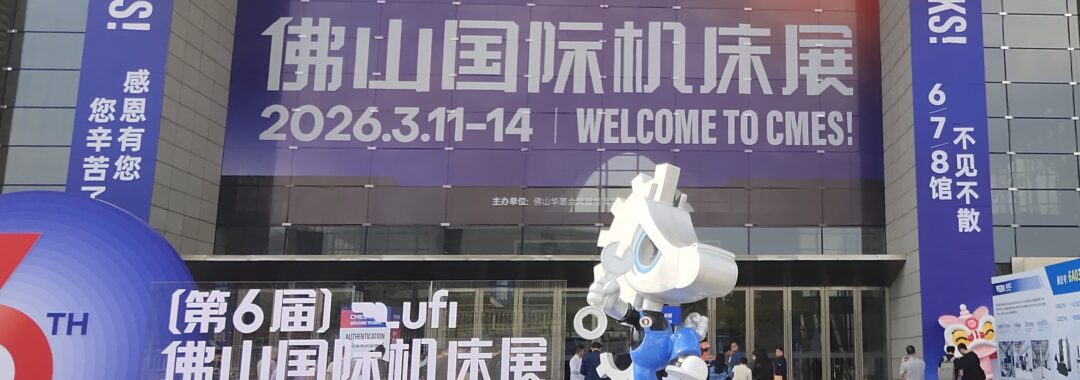
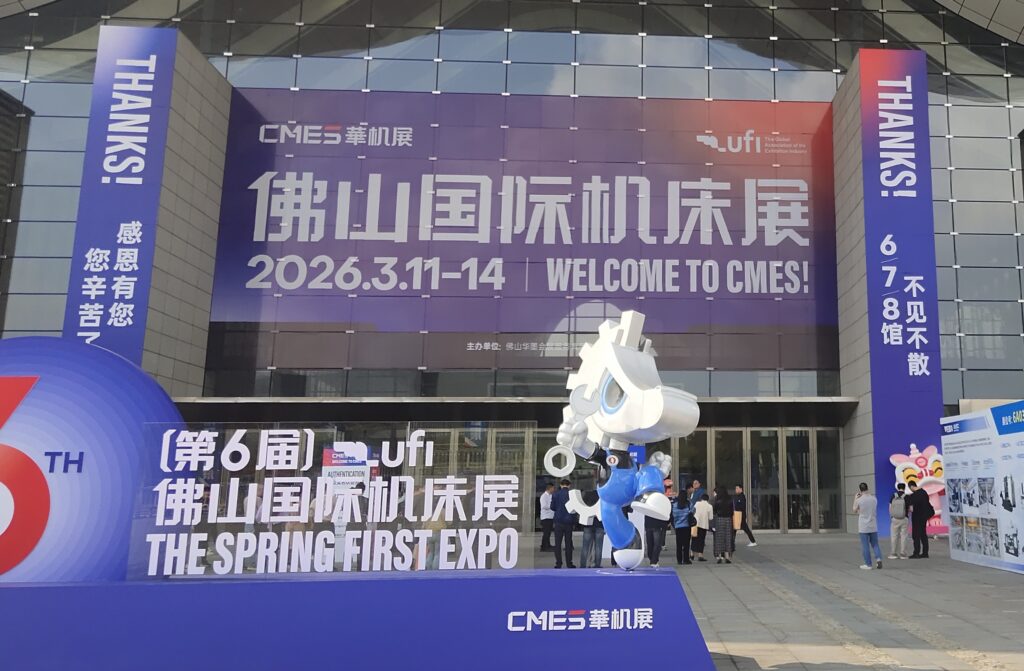
Insights from the Foshan Machine Tool Exhibition: How to Improve the Automation Level of Machine Tools?

FOSHAN INTERNATIONAL MACHINE TOOL EXHIBITION
Dates: March 11, 2025 – Saturday, March 14, 2026
Venue: Guangdong Tanzhou International Convention and Exhibition Center, Foshan, China

This year marked our third visit to the Foshan Machine Tool Exhibition. True to its reputation, the event once again maintained its “small but refined” character. In many ways, the exhibition reflects the level and structure of the local machine tool industry in this manufacturing hub.

In terms of scale, the show felt similar to several other industrial exhibitions we visited recently—noticeably smaller than in previous years. While the overall size has shrunk, one trend stood out clearly and deserves attention: how to improve the automation level of machine tools. The answer is the growing presence of automated loading and unloading systems for CNC machines.

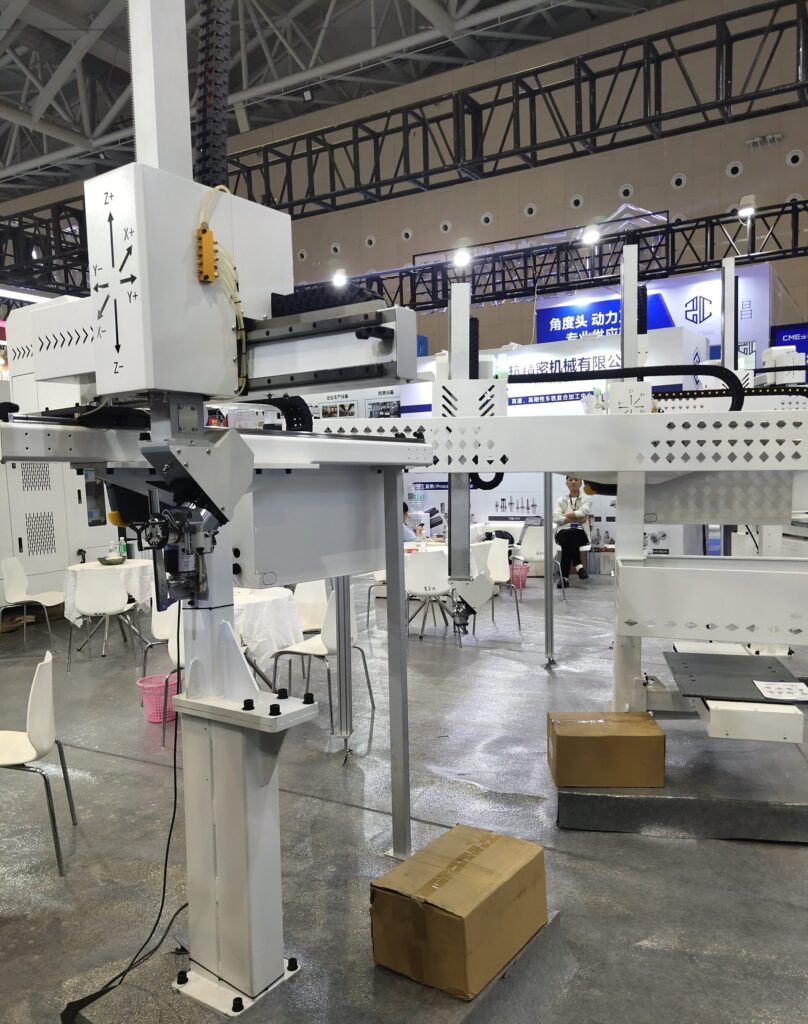
Last year, automation suppliers were mostly represented by brochures and sales representatives at machine tool booths, with very few physical systems on display. This year, however, a number of actual automation solutions could be seen across the exhibition floor—Robotic Arm Loader, Gantry Loaders, and compact machine-tending cells designed to work alongside CNC lathes and machining centers.

This shift is consistent with broader industry trends. The global market for machine-tending automation is expanding steadily as manufacturers seek higher productivity and address labor shortages. Recent industry reports estimate that automated machine tending systems were valued at about USD 15 billion in 2025 and are projected to reach over USD 36 billion by 2034, growing at more than 10% annually.

Within this sector, CNC machine-tending is one of the largest and fastest-growing application areas, as robots automate repetitive loading and unloading tasks while improving machine utilization, process consistency, and operator safety.

Even smaller workshops are beginning to adopt such systems. As collaborative robots and modular automation solutions become more accessible, integrating automation into CNC machining is no longer limited to large-scale production lines.

Machine-tending Automation

For companies involved in machine tool distribution or integration, this raises an interesting question:

If the growth of standalone machine tool sales is limited, could automated loading and unloading systems for CNC machines become the next opportunity?

Adding machine-tending automation not only improves machining efficiency but can also transform a single machine into a more complete production solution.

We would be very interested to hear your thoughts on this trend.
If you are exploring CNC automation solutions —or considering expanding your product offering in this direction—feel free to reach out and start a conversation with us.

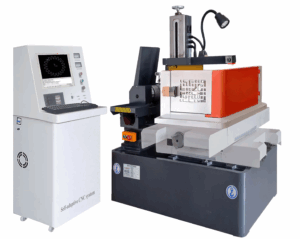
How to Choose a Medium-Speed Wire EDM?Automatic Wire Threading Required?

Technology, Benefits, and Industry Trends

Automatic wire threading (AWT) is becoming an increasingly important feature in modern medium-speed wire EDM machines. As manufacturing environments move toward higher automation and longer unattended machining cycles, this technology helps improve productivity, reduce downtime, and enhance overall machining stability.

Although automatic threading has long been standard in slow wire EDM systems, it is now gradually being introduced into advanced medium-speed wire EDM equipment, allowing manufacturers to bridge the gap between traditional wire EDM machines and high-end precision EDM technology.


What Is Automatic Wire Threading in Wire EDM?

Automatic wire threading is a system that enables a wire EDM machine to automatically feed and guide the electrode wire through the upper and lower wire guides after wire breakage or at the start of a machining cycle.

In conventional wire EDM machines without AWT, operators must manually thread the wire whenever a wire break occurs. This interrupts machining and requires operator intervention.

A medium-speed wire EDM machine equipped with automatic wire threading technology can perform this process automatically, allowing machining to resume with minimal downtime.

Typical AWT systems include several key components:

  • Wire cutting device to remove broken wire
  • Wire guide channel or threading nozzle
  • Water or air-assisted wire feeding mechanism
  • Sensors and CNC control logic to detect successful threading

Once a wire break occurs, the system automatically cuts the remaining wire, feeds a new wire segment, guides it through the wire guides, and restarts the EDM machining process.

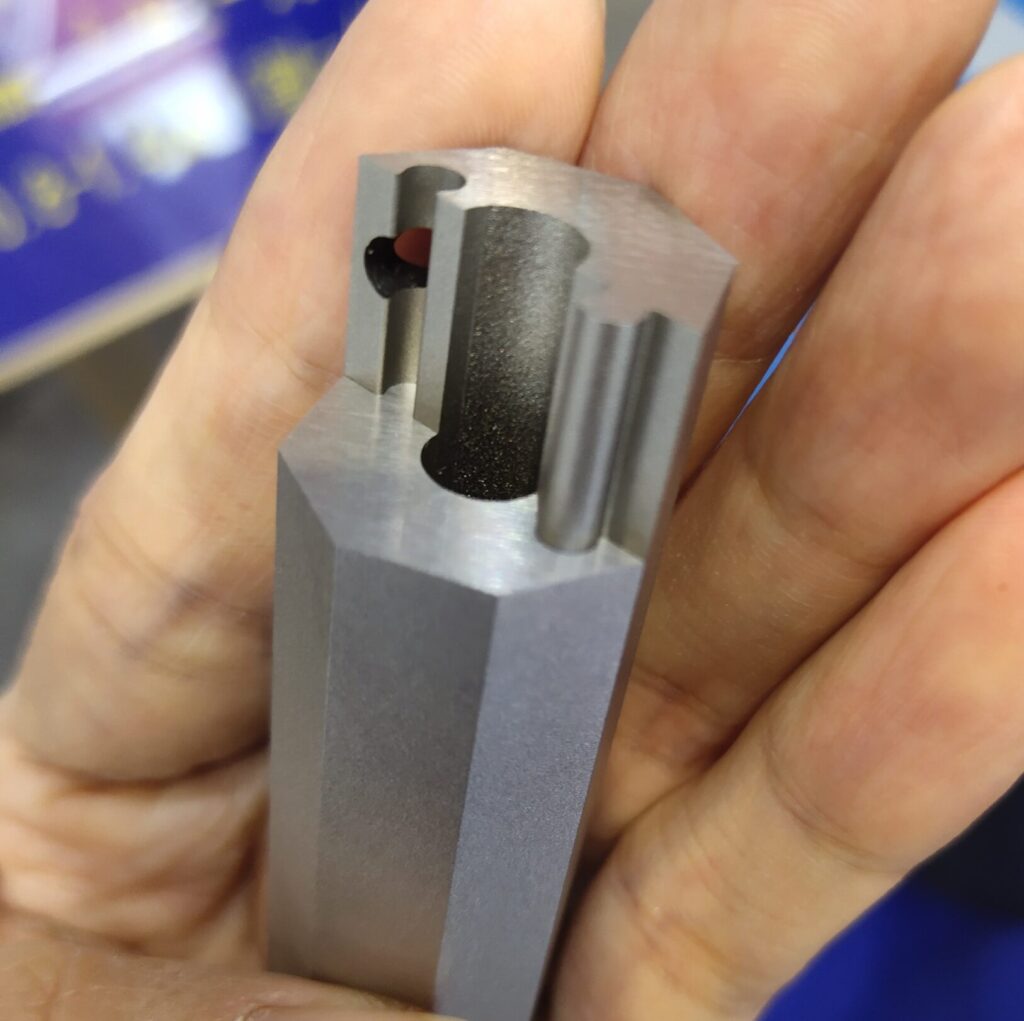
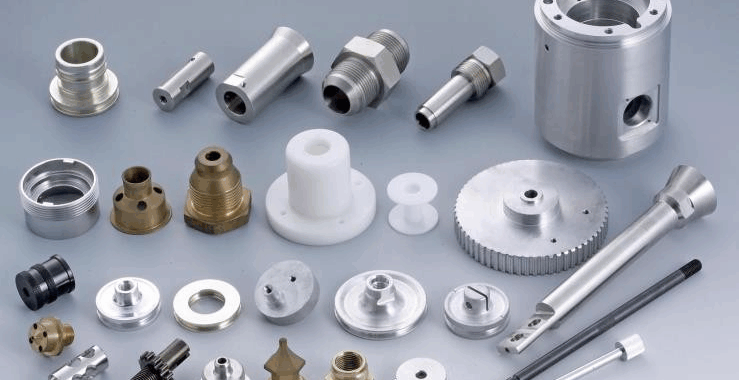
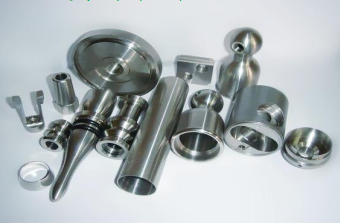
Workpieces processed by wire EDM machine.

Advantages of Automatic Wire Threading

Higher Automation in EDM Machining

One of the most significant advantages of automatic wire threading is the ability to support unattended EDM machining. The machine can recover from wire breakage without manual assistance, making it possible to run longer machining programs.

This capability is especially valuable for:

  • complex mold manufacturing
  • precision component machining
  • long EDM cutting cycles

Increased Machine Utilization

By reducing the need for manual intervention, AWT helps maximize wire EDM machine utilization. Operators can run multiple jobs or allow the machine to operate overnight, significantly improving production efficiency.

This feature is particularly useful in high-mix, low-volume manufacturing environments where machines must frequently restart cutting operations.


Reduced Downtime After Wire Breakage

Wire breakage is a common event in wire EDM machining, especially when cutting thick materials or complex geometries. Without automatic threading, the machine stops until the operator manually rethreads the wire.

Automatic wire threading reduces recovery time and allows machining to resume quickly, improving the overall productivity of the EDM process.


Improved Capability for Complex EDM Programs

Automatic wire threading also supports more advanced machining programs, including:

  • multi-start cutting paths
  • multi-part machining
  • long continuous EDM operations

These capabilities are important for mold and die manufacturing, where precision and process stability are critical.


Technical Considerations of Automatic Wire Threading

Although AWT offers clear advantages, the system also adds mechanical and control complexity to the wire EDM machine.

Reliable automatic threading requires:

  • precise alignment of wire guides and threading channels
  • stable dielectric water conditions
  • proper maintenance of sensors and threading nozzles

If the dielectric fluid contains debris or contamination, the threading process may become less reliable. Therefore, good machine maintenance and water filtration systems are essential for consistent AWT performance.


The Future of Automatic Threading in Medium-Speed Wire EDM

As manufacturing continues to move toward smart manufacturing and automated machining, automatic wire threading is becoming a key feature of modern EDM machines.

Many advanced medium-speed wire EDM machines now integrate automatic threading to improve process automation while maintaining the cost advantages of traditional wire EDM systems.

However, adoption still depends on application requirements. For operations that prioritize lower machine cost, manual threading may still be sufficient. For manufacturers seeking higher automation, improved productivity, and reduced operator involvement, automatic wire threading provides a clear technological advantage.


CNC Machine Tool Selection Guide: How to Choose 3-Axis, 4-Axis, 3+2-Axis, or 5-Axis CNC Machines

A practical CNC machine selection guide covering 3-axis, 4-axis, 3+2, and 5-axis machining. Learn how to choose the right CNC machine based on part geometry, tolerance, and production requirements.

CNC Machine Tool Selection Guide

How to Choose the Right CNC Machine for Any Part

Introduction

Selecting the right CNC machine tool is a critical decision in manufacturing.
However, many companies still choose machines based on brand, axis count, or price, rather than actual part requirements.

This guide provides a part-driven CNC machine selection methodology, covering:

  • 3-axis, 4-axis, 3+2, and 5-axis CNC machining
  • Turning, milling, and multi-task machining
  • Practical decision logic used by manufacturing engineers

The goal is simple: match the machine to the part, not the other way around.

Key Factors in CNC Machine Selection

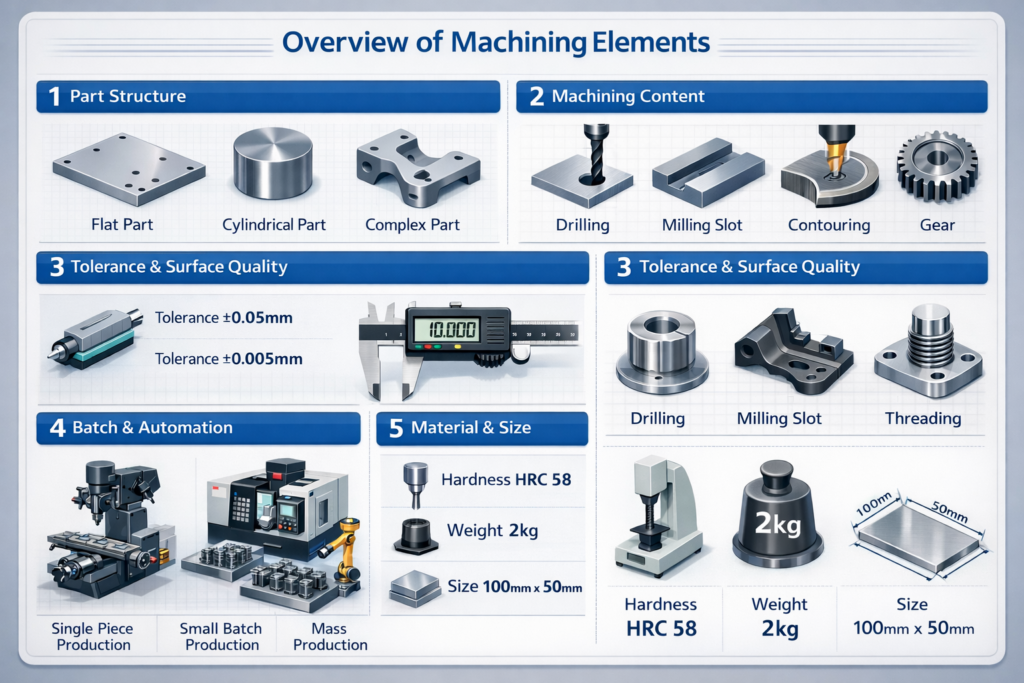
Before choosing a CNC machine, always evaluate the following five factors:

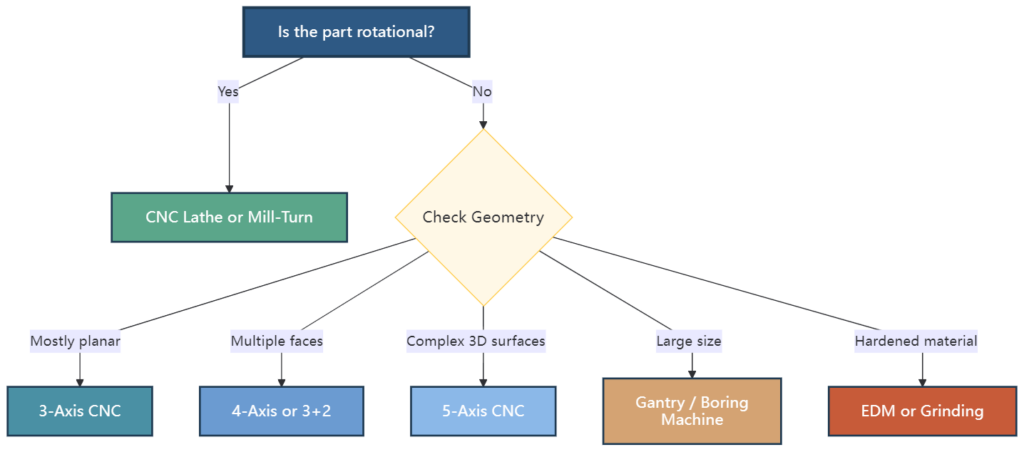
Part Geometry

Is the part rotational, prismatic, or free-form?

  • Rotational → CNC lathe or mill-turn
  • Prismatic → Machining center
  • Free-form → 5-axis machining

Machining Features

Common features include:

  • Holes, slots, pockets
  • Angled faces
  • Free-form surfaces

These features determine whether 3-axis, 4-axis, or 5-axis machining is required.

Tolerance and Surface Finish

  • Standard tolerance (±0.05 mm): most CNC machines
  • Tight tolerance (±0.005 mm): higher rigidity, better control system
  • Complex surfaces: require continuous tool orientation control

Production Volume

  • Prototype / small batch → flexible CNC machines
  • Medium batch → 3+2 or horizontal machining
  • Mass production → automation, fixtures, dedicated machines

Material and Part Size

  • Aluminum → high-speed machining
  • Steel / hardened steel → rigidity and torque
  • Large parts → gantry or horizontal machines

CNC Machining Processes and Machine Types

Machining ProcessCNC Machine TypeTypical Applications
TurningCNC LatheShafts, flanges, sleeves
MillingVertical / Horizontal Machining CenterPlates, housings
Drilling & TappingTapping CenterAluminum parts
BoringHorizontal Boring MillGearboxes
GrindingSurface / Cylindrical GrinderHigh-precision parts
EDM / Wire EDMEDM / WEDMHardened steel
Multi-task MachiningMill-Turn CenterComplex components

CNC Machine Selection by Axis Configuration

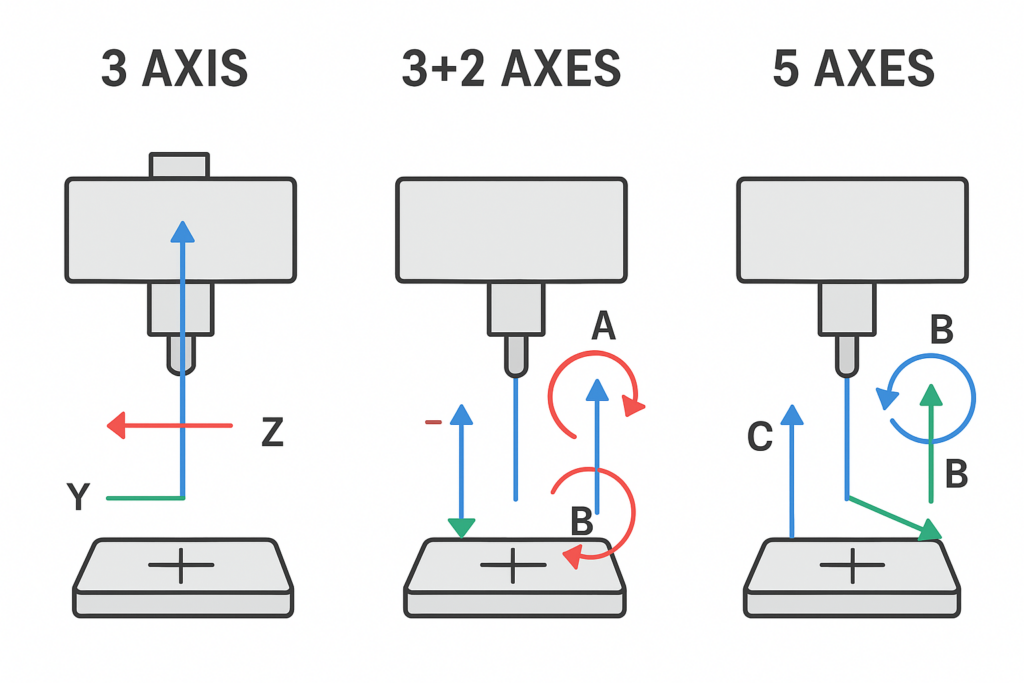
3-Axis CNC Machining Center

  • X / Y / Z linear axes
  • Best for planar and 2.5D machining
  • Lowest cost and highest versatility

Typical applications: brackets, plates, general mechanical parts


4-Axis CNC Machining Center

  • Adds one rotary axis (A or C)
  • Enables indexed side machining
  • Reduces re-clamping

Typical applications: parts with side holes or indexed features


3+2 Axis CNC Machining (Positional 5-Axis)

  • Rotary axes used for positioning only
  • Machining still performed in X/Y/Z

Advantages:

  • One setup for multiple faces
  • Higher accuracy than 3-axis
  • Lower cost than full 5-axis machining

Typical 5-Axis CNC machine applications: housings, stamping parts, multi-face components


5-Axis Simultaneous CNC Machining

  • Continuous interpolation of linear and rotary axes
  • Full control of tool orientation

Required for:

  • Complex 3D surfaces
  • Molds, impellers, turbine blades

Gantry CNC Machining Centers

  • Large work envelope
  • High rigidity

Typical applications: large molds and structural components


Mill-Turn (Multi-Task) CNC Machines

  • Turning and milling in one setup
  • Reduced handling and positioning error

Typical applications: complex rotational parts

How to Choose a CNC Machine by Part Type

Part TypeRecommended CNC MachineAxis Configuration
ShaftsCNC Lathe / Mill-Turn2–5
Plates3-Axis Machining Center3
HousingsHorizontal MC / 3+23+2
Stamping Parts (post-machining)Five-Sided Machining Center3+2
Molds5-Axis CNC Machine5
Impellers5-Axis CNC Machine5
Large StructuresGantry CNC Machine3–5
Hardened InsertsEDM / Grinding

CNC Machine Tool Selection Guide Tree

Common CNC Machine Selection Mistakes

Choosing Too Many Axes

More axes increase cost, complexity, and setup time.
Choose only what the part actually needs.

Selecting Machines by Brand Only

A famous CNC control system does not automatically guarantee better productivity.

Overusing 3-Axis Machining

Excessive re-clamping increases error and reduces efficiency.

Ignoring Total Manufacturing Cost

The right machine reduces fixtures, setups, and inspection time.

Dicuss now!

Machine Sourcing Within Budget

Case Study: How to find a Wire EDM Within Budget

A client approached us for a new Wire EDM for mold manufacturing.  After analyzing their requirements and budget, we found the target price was below high-end equipment levels, but sufficient for a reliable standard machine, without Wire EDM automatic wire threading.

We provided three tailored solutions:

  • Option 1: Matched the target budget with upgraded configuration and performance.
  • Option 2: Below budget with standard requirements .
  • Option 3: Lower cost, with basic functionality.

The client ultimately chose Option 1, achieving the best balance between cost, capability, and long-term value.


Reflection: Building Trust Through Transparent Machine Sourcing Solutions

Why Budget Transparency Matters?

In machine matching, budget defines which suppliers to talk to, how to balance configuration vs. cost, and what level of risk or reliability the client can afford.
It’s not a limitation — it’s the starting point of smart sourcing.
we believe in showing clear, side-by-side options that reveal real value differences.
This transparent approach helps clients make informed decisions, strengthens trust, and proves our commitment to smart sourcing, not just selling.

Spare Parts Quality Issue

Case Study: Spare Parts Quality Issue

Background
A European client faced frequent machine failures due to poor-quality spare parts, despite having all the “qualified” certificates.

What We Did:

  • We compared multiple suppliers, communicated directly with engineers, and the most importance: on-site verification. It turned out the previous supplier’s components can not met the real design requirements.

Result
We help client sourced genuine, compliant parts, restored stable performance, avoid major losses.


Key Point:

We not only purchase on behalf of customers, but also help customers find and solve problems and avoid risks from a professional perspective.

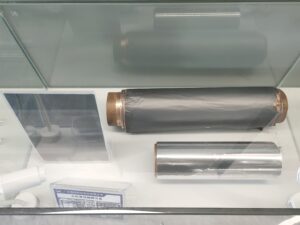
Metallizer Project

Case Study: Multi-suppliers Comparison for

a Metallizer Project

in Progress

A client approached us for a Roll to Roll Metallizer, a wide width vacuum coating production line with specific technical requirements and a defined budget.
We coordinated across multiple manufacturers(from small private companies to listed companies) in the industry and conducted on-site visits to nearby suppliers to evaluate real production capabilities.

Based on the findings, we proposed three tailored solutions:

  • Option 1 & 2: Slightly above the target budget but well aligned with performance and reliability requirements.
  • Option 3: Significantly higher in cost, but offering advanced features and long-term stability.

Each option presents clear trade-offs between cost, configuration, and scalability.


Project status

The project is currently under evaluation, with ongoing discussions to ensure the client’s final decision delivers both technical and financial efficiency.

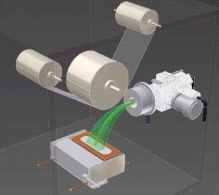
Project background – Evaporation Technology 

Evaporation coating is a vacuum deposition process where a material is heated until it vaporizes and then condenses onto a substrate to form a thin film. It provides high-purity, uniform coatings for optical, electronic, and decorative applications.


CNC MatchPro™ | Smart CNC Machine Selection & Technical Analysis Service

CNC MatchPro™ – Smart Technical Analysis for CNC Selection

Simplify your CNC decision-making. Our professional analysis service helps manufacturers and engineers identify
the most cost-effective, technically suitable CNC machines for their production needs.


Get Your CNC Match Report →

Why Choose CNC MatchPro™?

Choosing the right CNC machine can be complex — too many options, specs, and price points.
CNC MatchPro™ provides data-driven technical analysis to help you find the perfect match between your production requirements and machine capabilities.

What You’ll Get

  • ✅ Customized CNC machine recommendations (3–5 matched options)
  • ✅ Comparative technical analysis of specifications and performance
  • ✅ Process capability & productivity evaluation
  • ✅ Cost–efficiency insights and investment advice
  • ✅ Guidance on supplier selection and machine verification

Service Fee

CNC MatchPro™ offers a flexible service model. The minimum service fee starts from USD 500, and
the total cost is determined based on project scope, complexity, and data availability.

Service Type Scope Starting Fee (USD)
Basic CNC Matching Analysis of one part or machining process 500
Advanced Process Analysis Multiple operations, tolerance verification, or automation integration On Request

Let’s Find Your Ideal CNC Match

Whether you are planning a new production line or upgrading existing equipment, CNC MatchPro™ gives you
the insights to make smarter, faster, and more confident decisions.


Start Your CNC Match Analysis →

Contact Us

To begin your CNC MatchPro™ analysis, please send us:

  • ✔ Part drawing or machining requirements
  • ✔ Expected production volume
  • ✔ Preferred machine type or brand (if any)

Email: hello@ptyitech.com
Response time: Within 1–2 working days

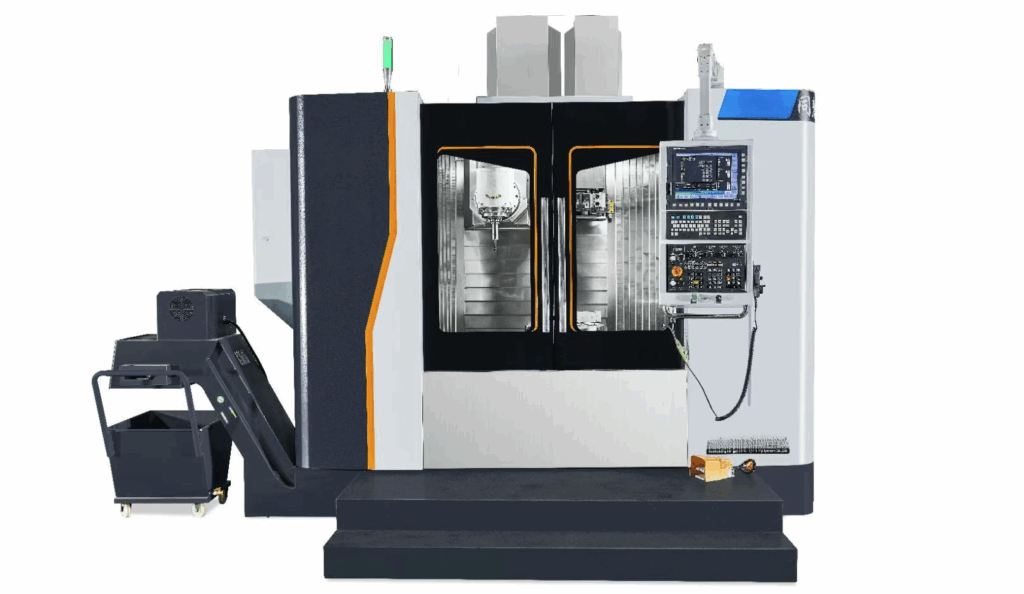
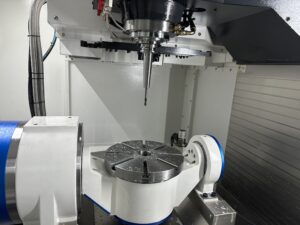
Vertical Machine Center (VMC)

🌐 VERTICAL MACHINE CENTER SELECTION

Smarter, Faster, More Precise


🔧 Engineered for High-Volume, High-Precision Manufacturing


⚙️ Key Features at a Glance

✅ Ultra-rigid structure and high-precision linear guides for X/Y/Z axes

Provide you with fast, powerful, and stable machining performance.

✅ Z-axis travel increased by 800mm

Suitable for machining high-precision parts and molds with high dimensions, and easier to add the fourth-axis and fifth-axis.

✅ BBT40 direct-drive spindle

Compared to the BT40 spindle, the smaller swing at high speeds, the tool vibration is less, the pulling force is stronger, and the rigidity of the connection between the shank and the spindle is enhanced.

✅ Tool Presetter (Optional)

Reduces set-up time by minimizing the need for manual skin cuts, measurements, and entering of tool offsets.

✅ Rotated Tool Center Point (RTCP, Optional)

It is particularly suitable for high-precision machining of free-form surface parts such as complex surfaces and continuously transitional surfaces.

✅ Intelligent Maintenance

Automatic lubrication, visual status monitoring, and chip removal system reduce downtime and ensure reliability.


🏭 Applications

  • Automotive Parts (shafts, bushings, flanges)

  • Medical Components (implants, surgical tools)

  • Aerospace Fittings (tubes, connectors)

  • Precision Engineering (electronic housings, custom fasteners)


🚀 Your Competitive Edge in Smart Manufacturing

  • Reduce operator dependency

  • Shorten cycle time

  • Minimize work-in-progress

  • Scale with confidence


📩 Contact Us Today

How to choose a VMC(vertical machine center)?
Let’s talk: hello@ptyitech.com  or +86 198 9775 4880